
Learn how to stop vitiligo from spreading with expert dermatology guidance. Explore causes, prevention tips and treatment options at Gindodia Hospital, Dhule.
Gindodia Hospital provides dermatology consultations and treatment guidance for patients experiencing vitiligo, white patches, and skin pigmentation disorders in Dhule, Maharashtra. If you are wondering “How to Stop Vitiligo From Spreading?”, understanding the condition, identifying possible triggers, and seeking timely dermatological treatment can help manage disease activity and reduce the risk of further pigmentation loss.
Vitiligo is a chronic skin condition in which pigment-producing cells called melanocytes are damaged or lost, resulting in white patches on different parts of the body. These patches may remain stable for years or gradually spread to other areas.
Although there is no guaranteed method to permanently stop vitiligo from spreading, appropriate medical treatment can help stabilize the condition in some patients.
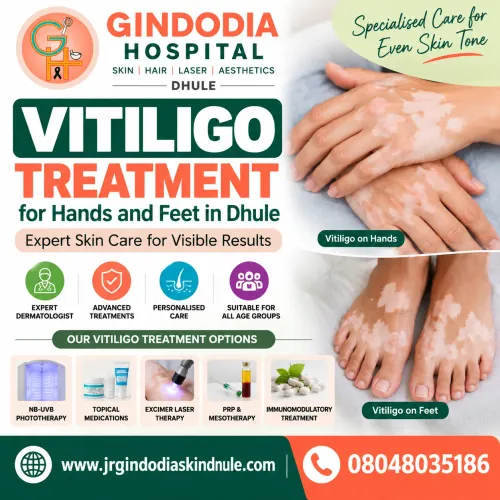
If you are searching for Vitiligo Treatment in Dhule or a White Patches Doctor in Dhule, Gindodia Hospital offers dermatology care and guidance for managing pigmentation-related skin conditions.
What Is Vitiligo?
Vitiligo is a long-term skin condition characterized by the appearance of white or depigmented patches caused by the loss of melanocytes.
These patches may develop on:
Face and neck
Hands and fingers
Feet and toes
Arms and legs
Lips and areas around the mouth
EyelidsOther parts of the body
Vitiligo is generally associated with autoimmune activity, where the immune system mistakenly attacks the body's pigment-producing cells.
The condition is not contagious and cannot spread from person to person through physical contact.
Why Does Vitiligo Spread?
Vitiligo spreads when additional melanocytes are damaged or destroyed, causing new white patches or enlargement of existing patches.
The progression of vitiligo varies from person to person. Some individuals experience slow changes, while others develop new patches more rapidly.
Several factors may be associated with disease activity.
1. Autoimmune Activity
Vitiligo is primarily associated with an autoimmune process that affects melanocytes. Ongoing immune activity can contribute to the appearance of new white patches.
2. Genetic Predisposition
People with a family history of vitiligo or certain autoimmune disorders may have an increased likelihood of developing the condition.
3. Skin Injury or Friction
Cuts, burns, scratches, repeated friction, or other skin injuries can sometimes trigger new vitiligo patches. This is known as the Koebner phenomenon.
4. Severe Sunburn
Sunburn can damage the skin and may trigger new patches in susceptible individuals. Areas affected by vitiligo also have reduced natural protection against ultraviolet radiation.
5. Emotional and Physical Stress
Stress has been reported as a possible contributing factor in some individuals, although its exact role in vitiligo progression is not fully understood.
How to Stop Vitiligo From Spreading?
While vitiligo cannot always be prevented from progressing, several medically supported approaches may help manage active disease.
1. Consult a Dermatologist Early
If you notice new white patches or enlargement of existing patches, consult a qualified dermatologist.
Early assessment helps determine whether vitiligo is active, stable, or caused by another skin condition.
A dermatologist can recommend suitable treatment based on the location, extent, and progression of the patches.
2. Follow Prescribed Vitiligo Treatment
Medical treatment may help control inflammation and reduce disease activity in some patients.
Depending on the condition, a dermatologist may recommend:
Topical corticosteroids
Topical calcineurin inhibitors
Narrowband UVB phototherapy
Other appropriate prescription treatments
Short courses of systemic treatment for selected rapidly progressive cases
Prescription treatments should only be used under medical supervision.
3. Consider NB-UVB Phototherapy
Narrowband UVB (NB-UVB) phototherapy is an established treatment for certain types of vitiligo.
It involves controlled exposure to specific ultraviolet wavelengths under professional supervision.
Potential benefits include:
Helping stimulate repigmentation
Supporting treatment of widespread vitiligo
Helping stabilize disease activity in some patients
Providing a non-surgical treatment option
Phototherapy generally requires multiple sessions over several months. Results vary depending on the affected body area and individual response.
Patients interested in NB-UVB Phototherapy for Vitiligo in Dhule should consult their dermatologist regarding suitability and treatment availability.
4. Protect Your Skin From Sunburn
Sun protection is particularly important for individuals with vitiligo.
Recommended precautions include:
Applying broad-spectrum sunscreen with SPF 30 or higher
Wearing protective clothing when outdoors
Avoiding prolonged exposure to intense sunlight
Preventing sunburn on depigmented areas
Following dermatologist-recommended skin care practices
Sun protection helps prevent burns and reduces avoidable skin damage, although sunscreen alone cannot stop vitiligo progression.
5. Avoid Repeated Skin Injuries
People with vitiligo should try to minimize unnecessary skin trauma.
Avoid repeated scratching, friction, burns, and harsh cosmetic treatments that may irritate the skin.
If you notice white patches appearing after injuries, discuss this with your dermatologist.
6. Maintain a Balanced Diet
A nutritious diet supports overall health and normal immune function.
Include a variety of:
Fresh fruits and vegetables
Whole grains
Protein-rich foods
Nuts and seeds
Foods containing essential vitamins and minerals
There is no scientifically established diet that can reliably stop vitiligo from spreading. Nutritional supplements should generally be used only when a deficiency or other medical indication is identified.
7. Manage Stress and Maintain Healthy Habits
Although stress management is not a proven cure for vitiligo, maintaining good mental and physical health can support overall well-being.
Helpful practices may include regular exercise, adequate sleep, relaxation techniques, and seeking emotional support when needed.
8. Attend Regular Dermatology Follow-Ups
Regular follow-up appointments allow your dermatologist to assess:
Development of new white patches
Enlargement of existing patches
Treatment effectiveness
Possible medication side effects
Changes in disease activity
Need for treatment adjustments
Photographs taken under consistent lighting may help document changes over time.
What Are the Signs That Vitiligo Is Spreading?
Vitiligo progression may be suspected when:
New white patches appear on previously unaffected skin
Existing patches become larger
Small patches begin joining together
New areas lose pigmentation over a short period
White patches appear after skin injuries
Additional areas of the face, hands, or body become affected
If you notice these changes, a dermatology examination can help determine whether your vitiligo is active.
Conclusion: How to Control Vitiligo From Spreading
Vitiligo is a chronic skin condition that may remain stable or progress over time. Although there is no guaranteed way to permanently stop vitiligo from spreading, early dermatology consultation, appropriate medical treatment, sun protection, and regular monitoring can help manage the condition.
If you are experiencing new white patches or noticing that existing patches are spreading, seek professional evaluation rather than relying on unverified home remedies.
For Vitiligo Treatment in Dhule, contact Gindodia Hospital to discuss your symptoms and available dermatology care options.
Keywords